


What should I decide first?
Choose a comfortable session limit before opening a round. Then review the available side options and the minimum amount shown by the game. Never raise the amount simply because an earlier result did not go your way.
Cards game guide
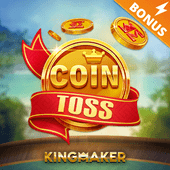
Coin Toss is a concise cards game for players who want a clear choice and a quick result. Pick the side you want to follow, confirm the round, and watch the outcome without a crowded table or a long setup.
In short, the best way to understand Coin Toss is to use the practice view first, check the displayed terms, and only then decide whether a real-money round fits your budget. The guide below explains the experience without promising a particular result.
These compact choices use the same cards category record and give you a way to compare pace and presentation. The first route is a real detail page; the other tiles use the same secure promotional action as the current game.
Coin Toss keeps its visual language deliberately focused: the supplied game image identifies the cards category and gives a useful preview of the play surface. Look for readable side labels, the current stake display, and the confirmation control before making a choice.
Before interacting, identify the selected side, the displayed amount, and any round status message. A clean read of the screen is more useful than rushing into the first available action.
On a small screen, keep the game image and controls inside the visible canvas. If a label is unclear, pause and enlarge the view rather than guessing what a control means.
Coin Toss is easiest for a new player when the first session is treated as an orientation exercise. The central question is not how to force a win; it is whether the controls, stake information, and result message are clear enough for you to make a measured decision.
Choose a comfortable session limit before opening a round. Then review the available side options and the minimum amount shown by the game. Never raise the amount simply because an earlier result did not go your way.
Yes. A Coin Toss Demo lets you learn the order of the controls with virtual play, observe how a result is presented, and decide whether the pace feels comfortable before risking funds. Demo outcomes are practice events, not a forecast of later rounds.
Set a time and spending boundary, keep the stake consistent, and take a break after the boundary is reached. The bigwin casino security approach also means checking that you are on the expected site and keeping account details private.
Players who prefer more visual variety can compare the pace with Sweet Bonanza, while still applying the same budget discipline. Different presentation does not remove chance, so use comparison to learn preference rather than to chase a pattern.
A typical Coin Toss round follows a short sequence: prepare, choose, confirm, observe, and settle. Knowing this order makes the interface easier to follow and helps prevent accidental taps.
Open the game through the trusted bigwin casino route, check your available balance or practice status, and decide the amount you are willing to use for this session. Confirm that the page is responsive and that all labels are visible.
Select the side offered by the interface. Treat the choice as a single round decision; a previous result does not make either side due to appear next, and no visual streak changes the underlying chance.
Read the stake and any displayed terms before pressing the confirmation control. If the amount is not what you intended, cancel or adjust it before submitting rather than trying to correct the decision afterward.
Wait for the result animation or message to finish. Avoid repeated taps while the round is processing, and keep a note of the outcome only if doing so helps you understand your session.
Check the updated balance and the round status. Stop at your pre-set limit, and use the account history or support channel if a transaction display looks incomplete. A fast game still deserves a careful close.
RTP, or return to player, is a long-run mathematical measure rather than a promise for one Coin Toss round. It helps compare a published game model over many plays, but it cannot predict the next result or guarantee that a short session will match the theoretical average.
When a provider publishes an RTP, the figure describes how the game is designed to behave across a very large sample. Individual outcomes can vary widely around that average. Read the in-game information and current terms instead of borrowing a percentage from another title.
A recent loss does not make the next round more likely to win, and a recent win does not make a loss due. RTP analysis is useful for informed comparison, not for timing a wager or creating a recovery system.
Check the displayed rules, eligible outcomes, stake boundaries, and any settlement notes. If the game does not present a figure, do not invent one. A transparent question to support is better than an assumption based on a different cards game.
For a contrasting theme, the Dragon Ball game page may help you compare how a slot-style presentation communicates features. It should not be used as an RTP substitute for Coin Toss or as evidence that one category can predict another.
The visible mechanics of Coin Toss are simple, but each one affects how confidently you can read the round. Separating interface mechanics from probability keeps the experience clear.
The side selector is the action that records your decision. Check its active state and make sure you can distinguish a selected option from a decorative label. If the selected state is unclear, do not submit the round.
The stake display tells you what is committed to the round. Keep it within your session plan and review it each time, especially after changing views or returning from a practice screen.
The result is determined by the game’s stated random process, not by a player’s preferred side or by a visual sequence. A result animation communicates the settlement; it does not create a strategy signal.
If a history panel is available, use it as a record of completed rounds. It can help you audit your own activity, but it cannot alter future probability. Close the session when the record reaches your planned limit.
These mechanics are why Coin Toss Demo is a useful first stop: it separates learning the controls from making a financial decision. The most reliable habit is to understand each control before confirming any live action.
The page, the game record, the promotion action, and the player all have different roles. Understanding those relationships helps you know what this guide can explain and where to look for a transaction answer.
The player chooses a side and a permitted stake, observes the result, and decides when to stop. The game does not read intent from a previous round, so responsible limits remain the player’s control.
bigwin casino provides the access shell, account area, support route, and promotional entry. The game rules and settlement information belong to the game view, so always read the live display before confirming an action.
This page explains navigation, concepts, and practical checks. It does not request passwords or payment details. For bigwin casino security, use a private connection, verify the expected address, and contact support through the platform if something seems unusual.
A completed round should correspond to a clear status and balance update. Keep your own limit in view, and ask support to review a round identifier if the display does not settle as expected.
If you want to explore a different pace after reviewing the relationship map, Night Market 2 offers a separate route for comparison. Return to the same security and budget checks before any new session.
A short game can feel intense because results arrive quickly. Responsible use means treating Coin Toss as entertainment, setting boundaries before play, and accepting that no method can remove chance.
Choose a maximum spend and session length in advance. Do not increase either limit to recover a loss or extend a winning streak.
Use a unique password, keep verification codes private, and sign out on shared devices. Support will not need your full password to explain a round.
Take a break if you feel rushed, frustrated, or tempted to chase. A pause is a useful result even when the game itself has already settled.
The practical answer is simple: learn the interface in Coin Toss Demo, choose only within a prepared limit, read the terms, and treat every result as independent. The bigwin casino Coin Toss experience is designed around a quick choice, but a careful player still has time to review the amount and stop.